Underwater LED lights improve the boat’s aesthetic appeal and visibility and...
Read MoreNavigating open waters demands more than experience and a good compass—modern radar systems have become indispensable tools for safe and effective boating. Whether you’re cruising along the coast or venturing offshore, having the best boat radar onboard enhances your ability to detect vessels, land, and potential hazards in all weather and lighting conditions. At OnBoat Marine, we specialize exclusively in the installation of advanced marine radar systems that improve safety, performance, and peace of mind for boaters and yacht owners.
Marine radar systems serve as your eyes when visibility is low—due to fog, nightfall, or storms. They provide real-time information about nearby obstacles, vessels, and shorelines, helping prevent collisions and keeping your crew safe. A properly installed radar system also supports route planning and ensures you maintain full situational awareness regardless of conditions.
When paired with other marine electronics like GPS chartplotters or depth finders, radar becomes part of a powerful integrated navigation solution. For professional captains and recreational boaters alike, the right radar can mean the difference between safe passage and unnecessary risk.
Dome radars are compact, enclosed units typically chosen for smaller boats and center consoles. They’re lightweight, easy to install, and consume less power—perfect for vessels with limited space or electrical capacity.
Open array radars, on the other hand, are larger and offer extended range and better target separation. These are commonly used on yachts or commercial vessels that need maximum performance and longer-range detection. Choosing between the two depends on your vessel size, navigation needs, and how far ahead you want to see.
Magnetron radars have long been a staple in marine navigation. While they’re effective, they require more maintenance and draw more power. Solid-state radars represent the next generation—using advanced technology to offer clearer images, faster target acquisition, and improved reliability.
Solid-state systems like the Simrad HALO20+ or Raymarine Quantum 2 offer added features like Doppler detection and beam sharpening while consuming less power—ideal for boats running on limited marine batteries or using renewable energy sources like marine solar panels.
The radar’s range determines how far it can detect objects, while resolution affects its ability to distinguish between two closely spaced targets. Long-range detection is crucial for offshore navigation, but short-range clarity is equally important in busy marinas or near the shoreline. Higher-end systems use technologies like CHIRP and Doppler to improve both metrics.
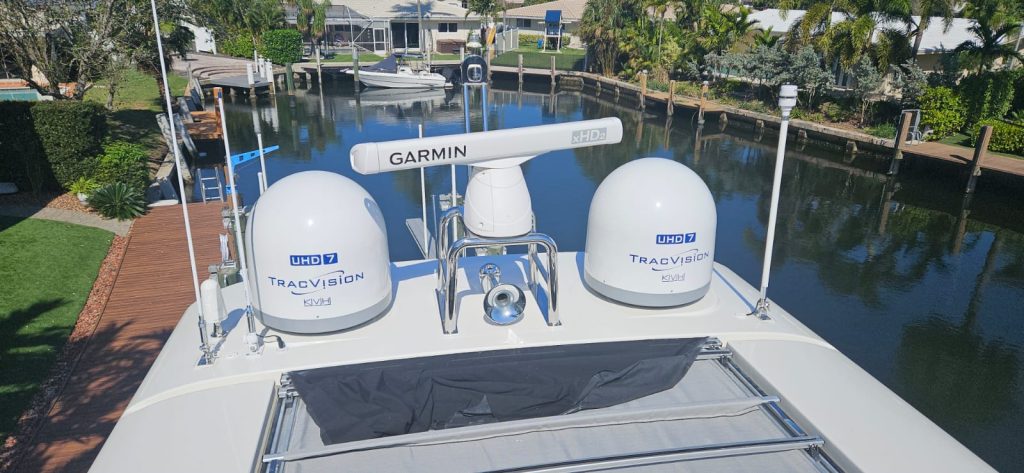
Some of the best boat radar systems feature Doppler processing, which identifies the motion of targets in relation to your vessel. Doppler-capable radars such as Furuno’s DRS4D-NXT or the Garmin GMR Fantom 18x can highlight moving objects in different colors, making it easier to assess collision risks in real time.
Your radar system should match your vessel’s electrical capabilities. Boats that rely on shore power or run multiple marine electrical equipment need to consider energy-efficient radars that don’t strain the system. If you’re using a marine battery management system, make sure your radar fits within your power budget—especially when using auxiliary electronics like boat lights or SSB radios.
These models offer MotionScope Doppler technology, excellent short-range resolution, and customizable scanning zones. Their low power draw makes them ideal for vessels relying on marine battery chargers or solar input.
Known for its CHIRP pulse compression and Doppler collision avoidance, the Quantum 2 combines safety and simplicity. Its wireless installation options also make it easier to integrate into tight spaces or existing systems.
This radar delivers quick start-up, dual-range performance, and VelocityTrack Doppler—great for identifying fast-moving targets. Its energy-efficient design suits boats that rely heavily on shore power or generator systems.
Packed with Target Analyzer and Fast Target Tracking, this solid-state radar is favored by professionals. It offers enhanced beam sharpening and seamless integration with modern navigation systems.
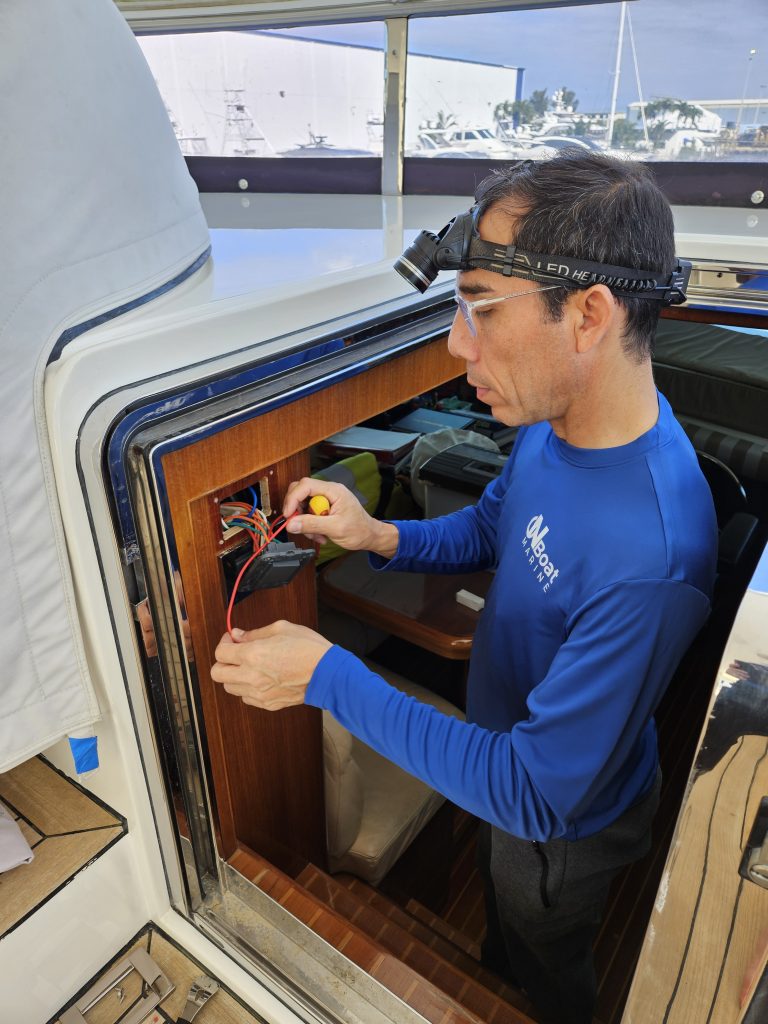
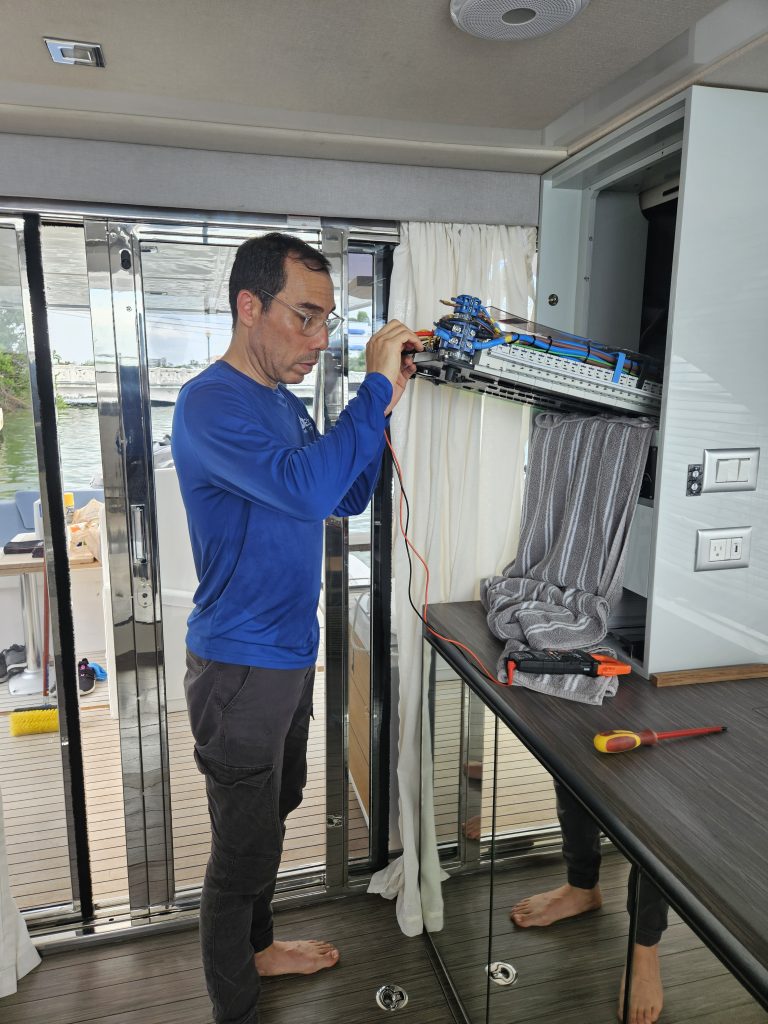
While choosing the right radar is crucial, proper installation is what ensures it performs as intended. OnBoat Marine’s team of certified technicians—including NMEA and ABYC-certified specialists—provide expert-level installs tailored to your vessel’s specifications.
We integrate your radar with existing systems such as fish finders, marine isolation transformers, or 3-bank battery chargers, ensuring everything functions efficiently and safely. Poor installation can result in missed targets, data inaccuracies, or even electrical issues—why risk it?
Our installation service is designed for long-term reliability, with clean setups that support the overall aesthetics and functionality of your boat or yacht.
Selecting the best boat radar isn’t just about picking the most advanced model—it’s about matching your navigation goals with the right features and ensuring expert installation. Whether you’re upgrading to Doppler radar, outfitting a new vessel, or looking to integrate your system with radar and other components, OnBoat Marine is your trusted partner in precision marine installations.
Contact us today to learn how we can help you choose and install the ideal radar system for your boat or yacht—because safety, clarity, and confidence should always be part of the journey.
Underwater LED lights improve the boat’s aesthetic appeal and visibility and...
Read MoreMarine electrical equipment plays a critical role in the safety,...
Read MoreClean, well-organized installations are more than aesthetics they directly impact...
Read MoreOn-site marine installation services offer convenience, efficiency, and accuracy. By...
Read MoreModern marine electronics transform the boating experience. From GPS and...
Read MoreMarine electrical systems are the backbone of modern boats. From...
Read More