Call Now

Contact

https://onboatmarine.com

Marine Inverter Charger Options in Miami Dade County

marine inverter charger plays a vital role in managing power on yachts and boats. This essential device performs a dual function: converting DC battery power into AC electricity and simultaneously recharging your batteries when shore power or a generator is available.

For vessels navigating the vibrant waters of Miami Dade County, a dependable inverter charger is not a luxury—it’s a necessity. The region’s subtropical climate, coupled with year-round boating, demands robust, efficient marine electrical systems. A properly installed marine inverter charger ensures uninterrupted power for navigation, safety, and comfort onboard.

Understanding Marine Inverter Chargers

What Is a Marine Inverter Charger?

At its core, a marine inverter charger is an all-in-one unit designed to manage onboard power. It converts 12V, 24V, or 48V DC power into 120V or 240V AC electricity, powering sensitive systems like navigation equipment, lights, and appliances. Simultaneously, when plugged into shore power or a generator, it charges your boat’s batteries, helping maintain their health and efficiency.

Key Components and How They Work

Typical units include:

  • Inverter module – handles the DC to AC conversion
  • Charger module – recharges batteries from external AC sources
  • Automatic transfer switch – switches between inverter and shore/generator power

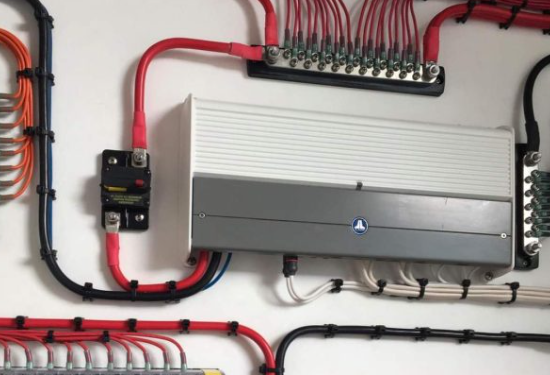
These systems work in tandem with your marine electrical equipment, allowing smooth transitions between power sources and ensuring operational reliability.

Top Features to Look For in a Marine Inverter Charger

Pure Sine Wave vs. Modified Sine Wave

When selecting an inverter, pure sine wave models are the gold standard. Unlike modified sine wave units, pure sine waves deliver smooth, clean power—essential for electronics like GPS chartplotters, depth finders, and other sensitive marine electronics.

Smart Charging Capabilities

Modern chargers offer multi-stage charging, which adapts voltage levels based on battery status. Features such as temperature compensation and automatic voltage detection improve efficiency and extend battery life—especially crucial when using marine batteries or a marine battery management system.

Power Output and Bank Support

Choosing the correct wattage is key:

  • 1200W–2000W for basic setups
  • 3000W–5000W for mid-range yachts
  • 5000W+ for luxury vessels

Ensure the charger supports the number of battery banks on board to avoid uneven charging.

Voltage Options and Compatibility

Common input voltages include 12V, 24V, and 48V, while output typically aligns with 120V, 230V, or dual 120/240V systems. Compatibility with your vessel’s AC system is non-negotiable for safe operation.

Leading Brands Used in Marine Inverter Charger Installations

Victron Energy

Victron is known for robust inverter/chargers like the Multiplus and Quattro series. These models support remote monitoring, automatic load sharing, and smooth integration with marine solar panels and battery systems.

Mastervolt

A preferred brand for high-end yachts, Mastervolt offers reliable charging with advanced features like digital control and remote access—ideal for long-range cruising.

Xantrex

Xantrex units strike a balance between performance and affordability, making them a solid choice for mid-size boats needing shore power vs generator flexibility.

Common Installation Scenarios in Miami Dade County

For Day Cruisers and Small Yachts

Boats under 35 feet typically require 1200W to 2000W inverter chargers with 12V or 24V input. These support essentials like boat lightsmarine battery charger, and depth finder systems.

For Mid-Range Yachts

Vessels in the 36–55 ft range often opt for 3000W–5000W units. These systems handle refrigeration, cooking, navigation, and include smart charging for extended trips.

For Luxury Yachts

For boats exceeding 55 feet, high-output models (5000W+) from Victron or Mastervolt are recommended. Integration often includes transfer switchesremote monitoring, and compatibility with hybrid systems like marine isolation transformers and shore power inputs.

Installation Tips From Marine Experts

Why Professional Installation Is Crucial

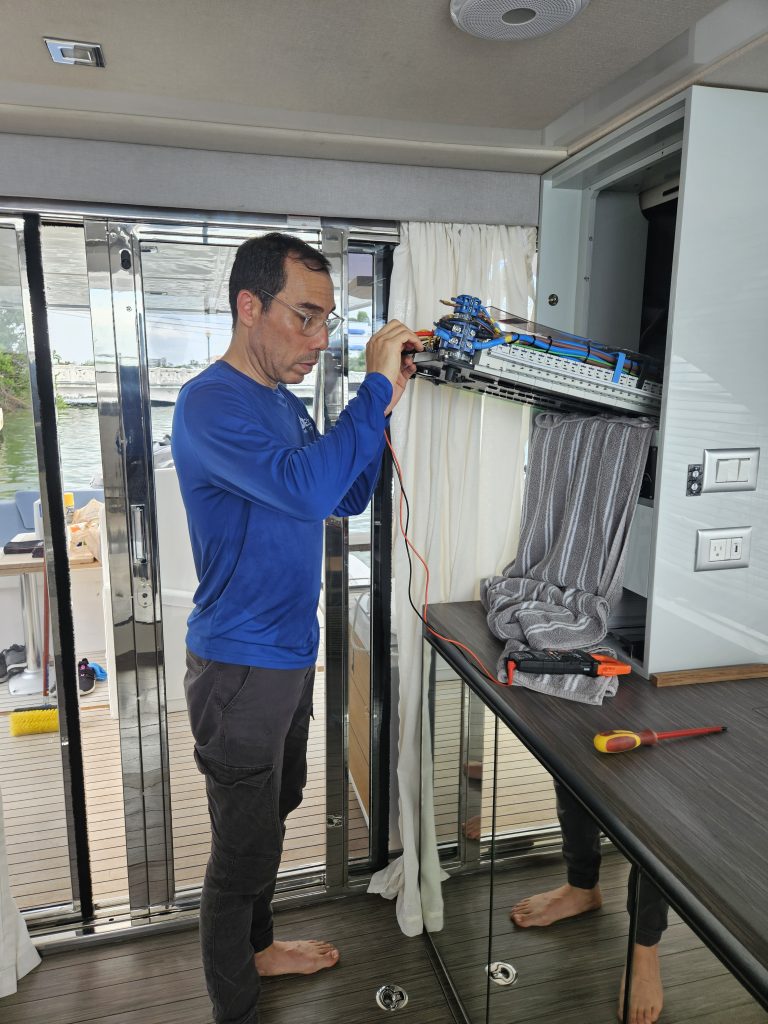
Marine inverter chargers involve complex wiring, grounding, ventilation, and AC/DC integration. DIY setups may lead to safety hazards, failed systems, or even fire. Professionals ensure compliance with ABYC and NMEA standards for marine environments.

Working With a Marine Electrical Specialist in Miami Dade County

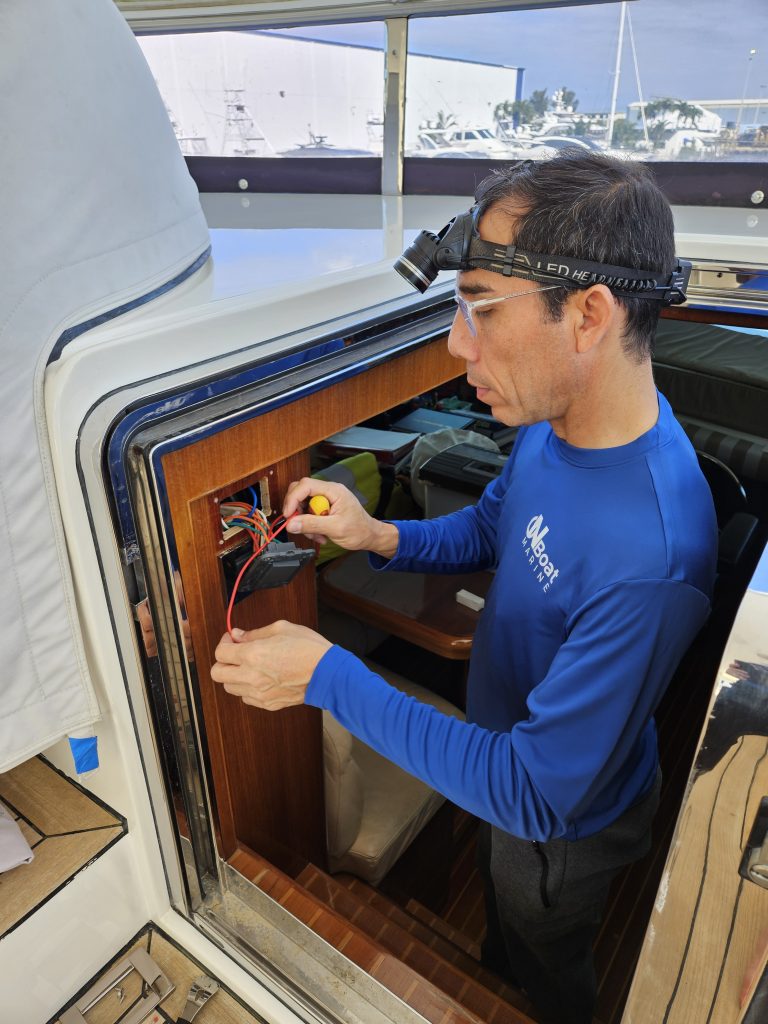
Local conditions—like humidity, salt air, and high onboard usage—require region-specific expertise. OnBoat Marine, located in Fort Lauderdale and servicing Miami Dade County, specializes exclusively in electrical and electronic installations for boats and yachts. Their ABYC– and NMEA-certified team ensures each system is installed with precision and care.

Choosing the Right Marine Inverter Charger

Installing the right marine inverter charger in Miami Dade County is about more than capacity—it’s about choosing features that fit your vessel, your power usage, and your boating lifestyle.

From pure sine wave technology and smart charging to remote monitoring and bank management, a professionally installed inverter system enhances safety, efficiency, and comfort on the water.

Ready to upgrade your onboard power? Trust the specialists at OnBoat Marine for expert marine electrical installation that’s built to last.