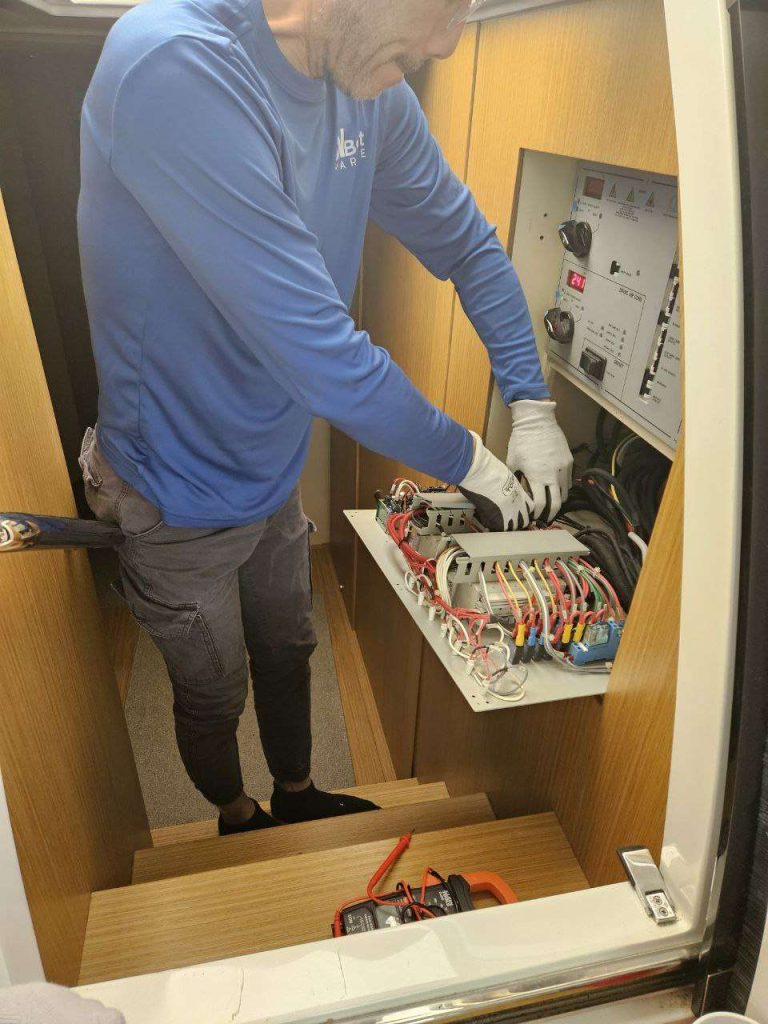
Clean, well-organized installations are more than aesthetics: they directly impact system reliability. Proper cable management, secure connections, and labeled components reduce wear, prevent electrical faults, and simplify future upgrades. Clean installations also improve airflow and accessibility, helping systems operate efficiently over time. Professional marine installation focuses on precision and structure, ensuring every component is installed to marine standards. The result is a safer vessel, easier maintenance, and long-term performance you can rely on.
What a Clean Installation Looks Like
A clean installation is easy to recognize once you know what to look for. Cables follow planned routes instead of crossing over each other, and they are supported along their length so they cannot chafe against sharp edges or move with the vibration of the engines. Every wire is labeled at both ends, every circuit has its own protection, and connections are made with marine-grade terminals rather than improvised splices.
- Planned cable routes: power and data cables are separated wherever possible, which reduces interference on sensitive electronics.
- Secure support: cables are clamped so vibration does not work the connections loose over time.
- Clear labeling: anyone working on the boat later can identify a circuit without tracing it by hand.
- Accessible equipment: chargers, modules and fuses can be reached for inspection without taking the boat apart.
Why It Matters in a Marine Environment
Boats are hard on electrical systems. Salt air, humidity, heat and constant movement all attack connections, and a small weakness in a terminal can turn into a voltage drop, an intermittent fault or overheating. When wiring is tangled and undocumented, these problems also take much longer to find, and the owner pays for hours of tracing before the actual repair can begin.
Organization also protects your next upgrade. Most boats keep adding equipment over the years, and a tidy system has room for it. A messy one tends to collect new wires on top of old ones until nobody on board knows which circuit does what, and that is usually when reliability starts to suffer.
Examples From Our Work
On the M/Y Saron accent lighting renovation, we did not simply swap the outdated strip lights for new LED neon flex. We rewired the lighting system as part of the job, and that clean base is what made it possible to upgrade the dimming modules and Vimar switches as well.
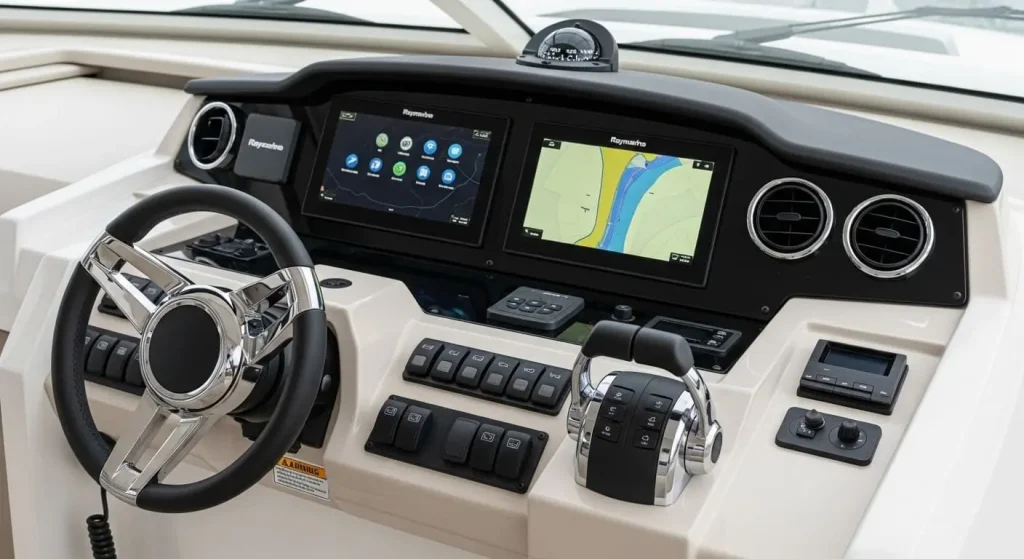
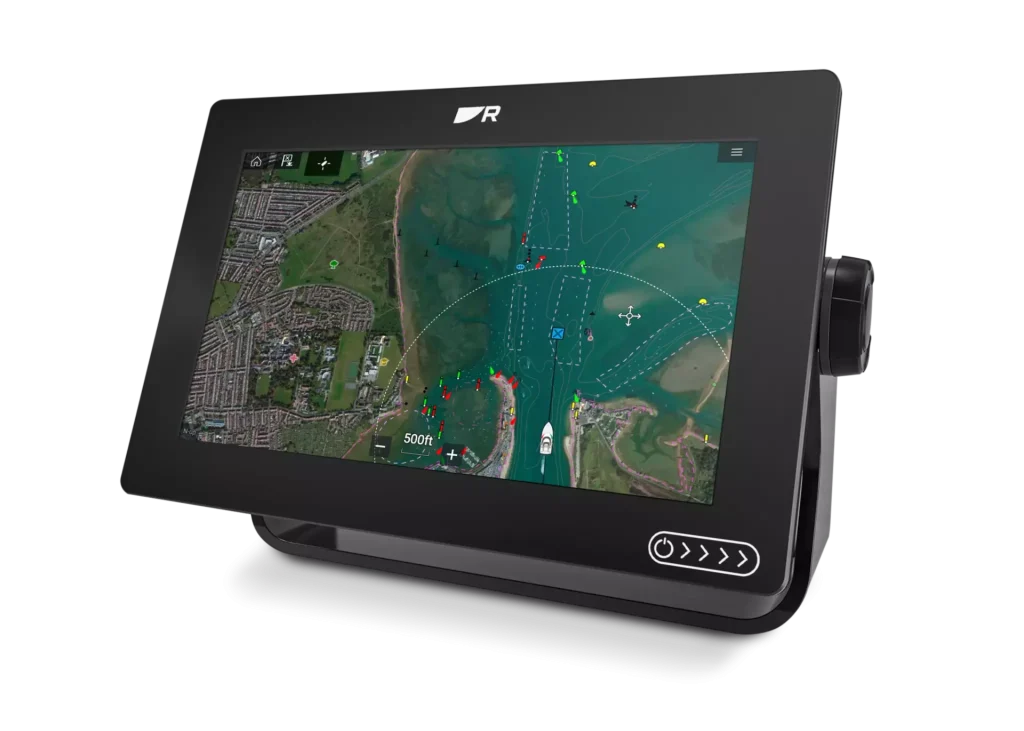
On a navigation electronics project for a racing boat, we designed an NMEA network for the instruments and added CZone modules for streamlined control. A planned network like this gives each device a clear place in the system, which matters when the crew depends on accurate data during a regatta.
How to Check Your Own Boat
You do not need to be an electrician to get a first impression of the installation on your boat. Open the panel and the spaces behind your electronics and look for these warning signs:
- Bundles of unlabeled wires, or wires that end without being connected to anything.
- Green or white corrosion on terminals and bus bars.
- Household-style connectors, or tape used in place of proper terminals.
- Cables resting on sharp edges or hanging loose where they can move.
- Equipment that was added later and connected directly to a battery without its own protection.
If you find several of these, it is worth having the system inspected before you add anything new. Our guide on hiring a marine electrician explains what to ask before you book the work.
Common Questions
Does a clean installation cost more? It usually takes more planning and labor at the start, because cables are routed, supported and labeled properly. That time often comes back later, since faults are easier to find and upgrades are simpler to add.
Do I have to rewire the whole boat? Not always. Many boats can be improved section by section, starting with the areas where new equipment is going in or where problems keep appearing. An on-site assessment shows what can stay and what should be replaced.
Can a clean installation fix recurring electronics problems? It often helps, because loose connections, voltage drop and interference are common causes of intermittent faults. The right first step is to diagnose the cause, which is what our troubleshooting guide walks through.