Troubleshooting Marine Electronics

Marine electronics work hard in a tough environment, and when one fails it usually happens at the worst moment. The good news is that many problems share a small number of causes: power, connections, antennas and software.

This guide walks through the most common issues we see on boats, the checks you can do yourself, and when it is time to call a technician.

Start With Power

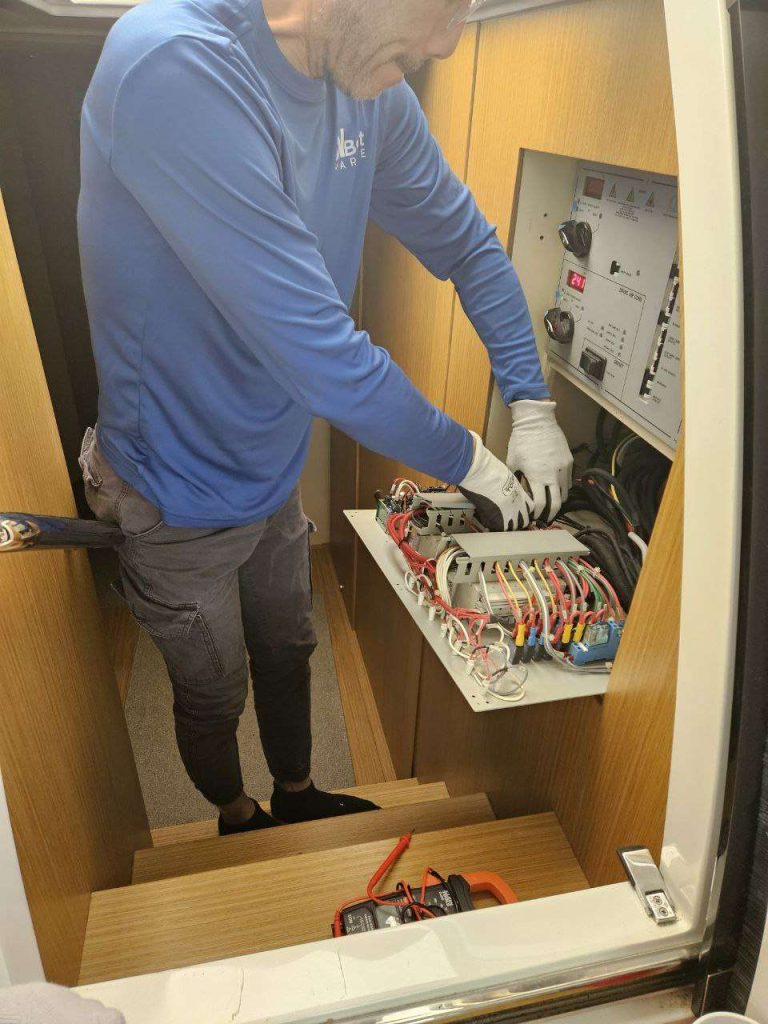
A surprising number of electronics problems are power problems. Low battery voltage, voltage drop on undersized cables, corroded terminals or poor grounds can make displays restart, radios cut out and sensors give strange readings, especially when the engines start or large loads switch on.

Check the battery voltage, look for loose or corroded connections at the device and at the panel, and note whether the problem appears when other equipment runs. See our marine batteries guide.

GPS Signal Loss or Inaccuracy

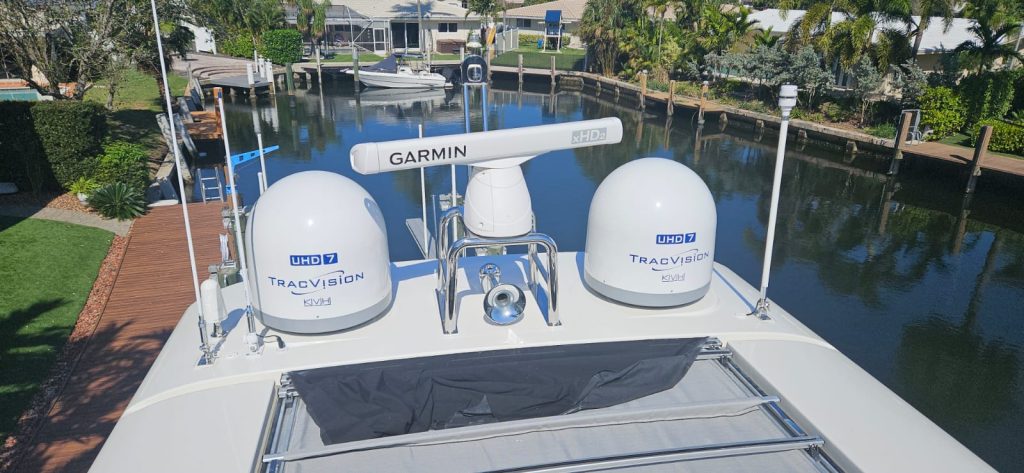
A position that jumps, drifts or disappears is usually caused by the GPS antenna: a damaged cable, a corroded connector, or an antenna mounted in the radar beam or shaded by the hardtop. Interference from nearby electronics can also play a part.

Check the antenna and its connection, and see whether the problem changes with the radar on or off.

Radar and sonar faults

A radar that will not transmit or shows a weak picture may have a cable, power or heading sensor problem, or may simply need its gain and clutter settings reset. A sonar that loses the bottom at speed usually points to the transducer position or turbulence; see our fish finders and transducers guide.

VHF and AIS Problems

Poor range, weak reception or other boats not seeing your AIS usually point to the antenna system: a damaged antenna, corroded connectors or degraded coaxial cable. Missing DSC position means the radio is not receiving GPS data. Noise when lights are on can come from LED drivers.

See our VHF radio and AIS guide for more detail.

Frozen Displays and Network Issues

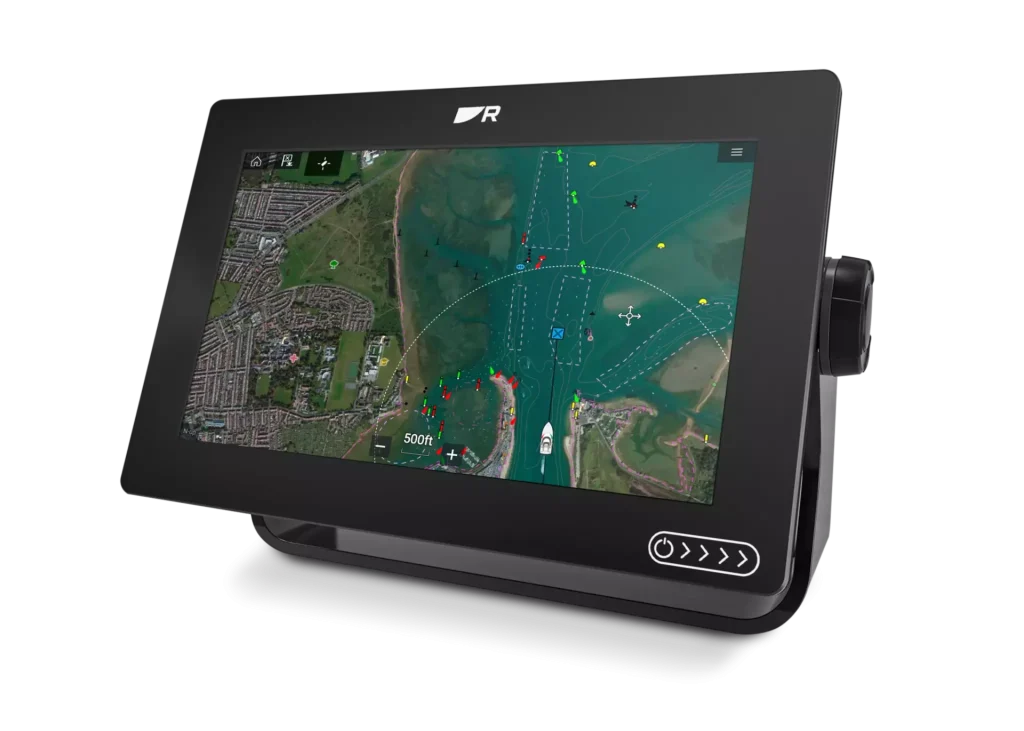
Displays that freeze or devices that disappear from the network are often caused by outdated software, mismatched versions between devices, or an NMEA 2000 backbone with missing terminators, a weak power feed or too many devices on one segment.

Install the latest software on every networked device, restart the system from the panel, and check that the backbone is correctly powered and terminated.

When to Call a Technician

  • The problem keeps returning after the basic checks.
  • It involves wiring behind panels, inside the console or below deck.
  • Several devices fail at once, which suggests a network or power issue.
  • Transducers, antennas or masts need to be removed or reinstalled.
  • There is any sign of heat, smoke or burning.

A technician with the right test equipment can usually find intermittent faults far faster than trial and error.

Electronics Troubleshooting Across South Florida

OnBoat Marine diagnoses and repairs marine electronics and electrical faults on site across Broward, Miami-Dade and Palm Beach counties. When a repair is not worth it, we help you plan an upgrade that solves the problem for good.

See our electrical troubleshooting service or contact us.

Frequently Asked Questions

Why does my chartplotter restart when I start the engine?

Usually because the voltage drops during engine start. Battery condition, cabling and how the display is powered should be checked.

Most often the GPS antenna, its cable or its location. Interference from the radar or other electronics can also cause it.

Yes. Updates fix bugs and improve compatibility between devices on the network. Keep all networked devices on current versions.

When multiple devices fail together, the cause is often shared: a power feed, a breaker or the NMEA 2000 backbone.

Yes. Intermittent faults are often connections, power or network issues, and testing on site is the fastest way to find them.

Call Now

Contact