Marine Switch Panels & Electrical Equipment

Every circuit on a boat runs through its electrical panels: the switches and breakers that feed lights, pumps, electronics and appliances. A clear, well-built panel makes the boat easier and safer to operate; an old, overloaded or poorly labeled one is a common source of failures.

This guide covers switch panels and AC/DC distribution, the core electrical equipment behind them, digital switching and the signs it is time to upgrade.

AC and DC Distribution Panels

Most boats have two electrical systems. The DC system, fed by the batteries, powers navigation, pumps, lighting and electronics. The AC system, fed by shore power, the generator or an inverter, powers air conditioning, the galley, outlets and chargers.

Distribution panels protect each circuit with a breaker or fuse, show voltage and current on meters, and on the AC side include the main breaker and source selection between shore, generator and inverter.

Meters and monitoring

Voltmeters and ammeters on the panel, or digital monitoring on a display, show at a glance whether the batteries are charging, how much current the boat is using and whether shore power is stable. They turn small problems into early warnings instead of surprises on the water.

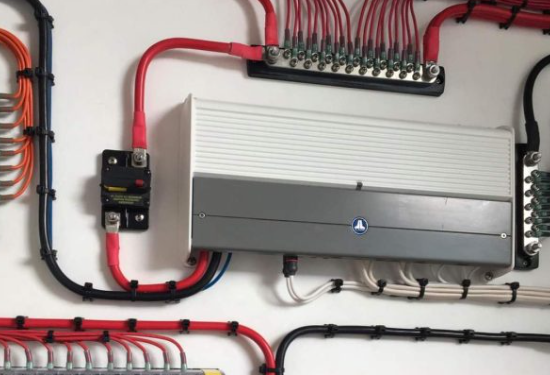
Panels must be accessible, ventilated and protected from water, with wiring behind them organized, supported and labeled so any technician can follow it.

Standard vs. Custom Switch Panels

Standard panels are available in common configurations and work well on many smaller boats. Custom panels are designed around your circuits and helm: the right number of switches and breakers, clear engraved or backlit labels, and a layout that matches how the boat is used.

Look for corrosion-resistant materials, sealed switches where the panel is exposed, backlighting for night use and spare positions for future equipment.

Core Electrical Equipment

  • Battery switches and busbars that distribute power from the banks.
  • Breakers and fuses sized for each circuit and its wiring.
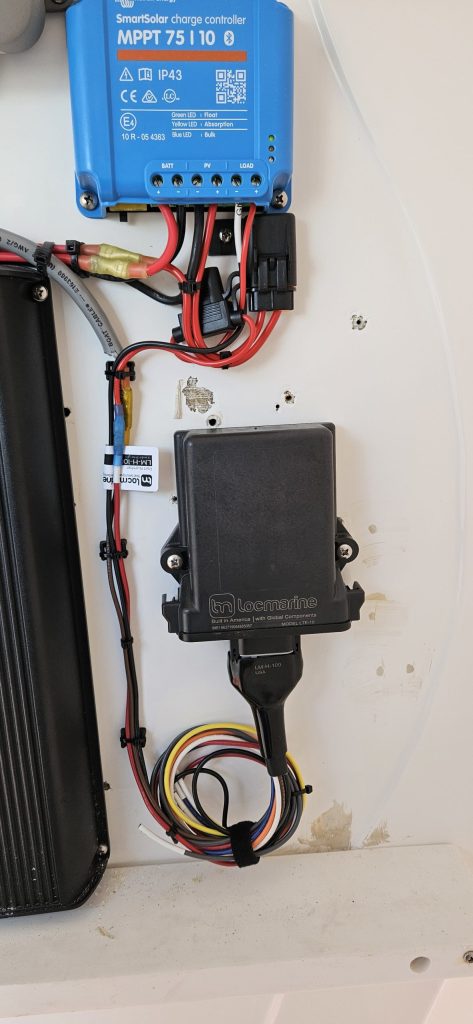
  • Chargers, inverters and converters that manage power between sources.
  • Shore power inlets and cords from manufacturers such as Hubbell and Marinco.
  • Isolation and protection: galvanic isolators, isolation transformers and ground-fault protection.

See our shore power guide and inverters guide for more on the AC side.

Digital Switching

Digital switching replaces many physical switches and long wire runs with networked modules. Lights, pumps and other loads can be controlled and monitored from the chartplotter, touch panels or a phone, with scenes such as “dock”, “underway” or “night”.

Systems such as CZone integrate with Garmin, Raymarine and Simrad displays, and Maretron adds monitoring of tanks, batteries, bilge pumps and engines. Digital switching is common on new yachts and can also be added during a refit.

Signs It Is Time to Upgrade

  • Breakers that trip often or switches that feel hot.
  • Corrosion on terminals, busbars or the back of the panel.
  • No spare positions, with new equipment added on improvised circuits.
  • Missing or unreadable labels.
  • Wiring added over the years without a plan or diagram.

An upgrade is also the right time to document the system with an updated wiring diagram, which makes every future repair faster.

Panel and Electrical Work Across South Florida

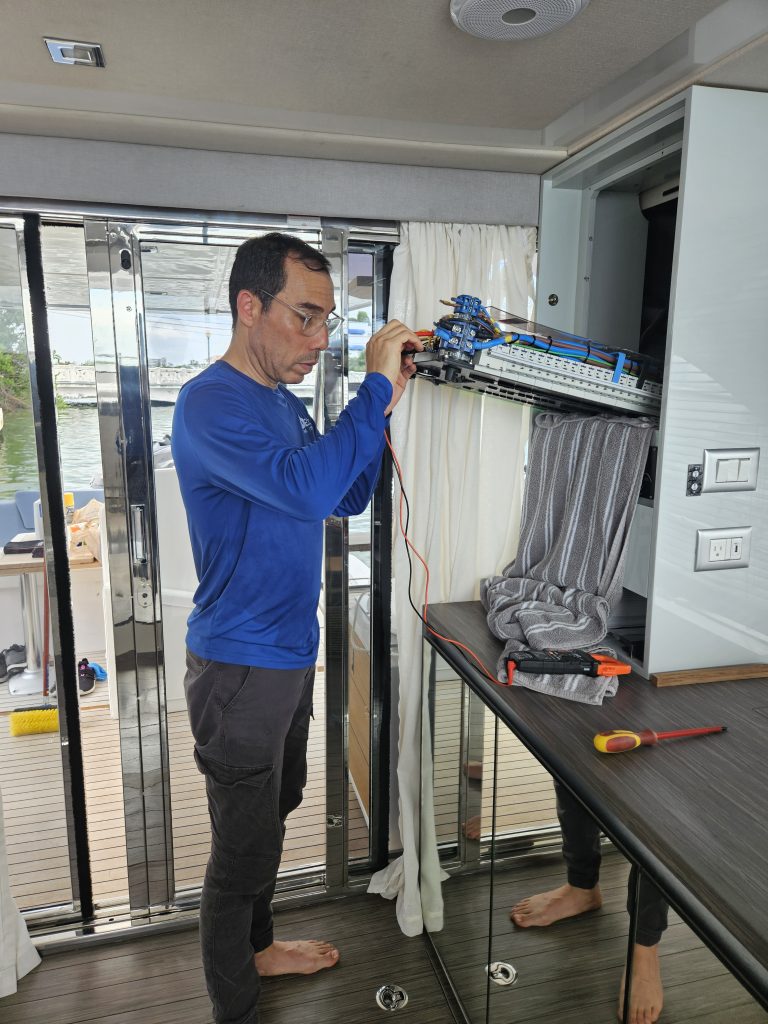
OnBoat Marine designs, builds and installs switch panels and AC/DC distribution, and upgrades core electrical equipment, on site across Broward, Miami-Dade and Palm Beach counties.

See our AC/DC electrical panels service or contact us to plan your upgrade.

Frequently Asked Questions

Can you build a custom switch panel for my boat?

Yes. We design panels around your circuits and helm, with clear labels, the right breakers and room for future equipment.

It may be an overloaded circuit, a short or a failing device. It is a warning sign and should be inspected rather than reset repeatedly.

A networked system that controls and monitors electrical loads from displays, touch panels or a phone instead of individual physical switches.

Often yes, during a refit or panel upgrade. It depends on the existing wiring and the electronics on board.

It is strongly recommended. An up-to-date diagram makes troubleshooting and future upgrades faster and safer.

Call Now

Contact