Marine electrical systems are the backbone of modern boats. From navigation and lighting to safety and onboard comfort, proper installation plays a critical role in performance and reliability. A professionally installed electrical system reduces the risk of power failures, protects sensitive equipment, and ensures compliance with marine safety standards. Clean wiring, balanced battery banks, and correctly configured AC/DC panels help extend system lifespan and improve efficiency. Investing in expert marine electrical installation means fewer issues on the water, greater peace of mind, and a vessel that performs exactly as designed every time you leave the dock.
What Goes Wrong With Poor Installations
Many electrical problems on boats do not begin with a broken part. They begin with an installation that was never quite right. A cable that is too small for its load, a connection made without the right terminal or a circuit added without protection can work for months before it causes trouble, often far from the dock.
- Voltage drop: undersized or long cable runs starve equipment of power, so electronics restart or behave erratically.
- Overheating: loose or overloaded connections build up heat, and on a boat that is a serious fire risk.
- Corrosion: materials that are not made for the marine environment degrade quickly in salt air.
- Battery problems: poorly matched banks and incorrect charging settings shorten battery life.
- Equipment damage: unstable power can harm the sensitive electronics that navigation and safety depend on.
What Proper Installation Includes
A proper installation starts before any cable is pulled. The first step is to understand what the boat needs to power, when it needs it and where the equipment will go. From there, the work follows a clear sequence:
- Calculating electrical loads so that batteries, chargers and inverters are sized for real use.
- Choosing cable sizes and marine-grade materials suited to each circuit.
- Protecting each circuit with the correct breaker or fuse.
- Routing, supporting and labeling all wiring so it stays secure and easy to service.
- Configuring AC and DC panels so that power is distributed clearly and safely.
- Testing every circuit before handing the boat back to the owner.
Marine work also follows its own standards, such as those of ABYC, which differ from residential electrical codes. A boat combines AC and DC systems in a moving, wet and corrosive environment, so methods that are acceptable in a house may not be suitable on board.
Examples From Our Work
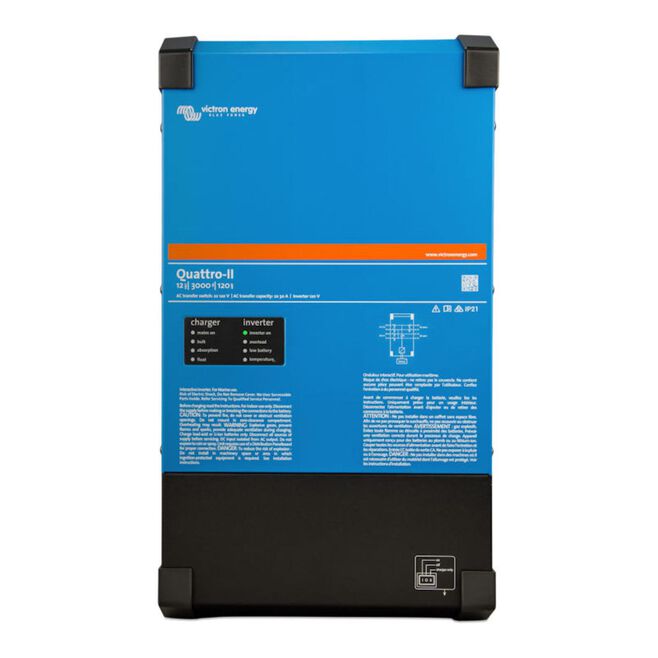
When we installed a Victron battery charger, the goal was more than mounting a new unit. It had to be integrated into the vessel’s electrical system so that it charges efficiently and reliably, because that is what protects the performance and service life of the batteries on board.
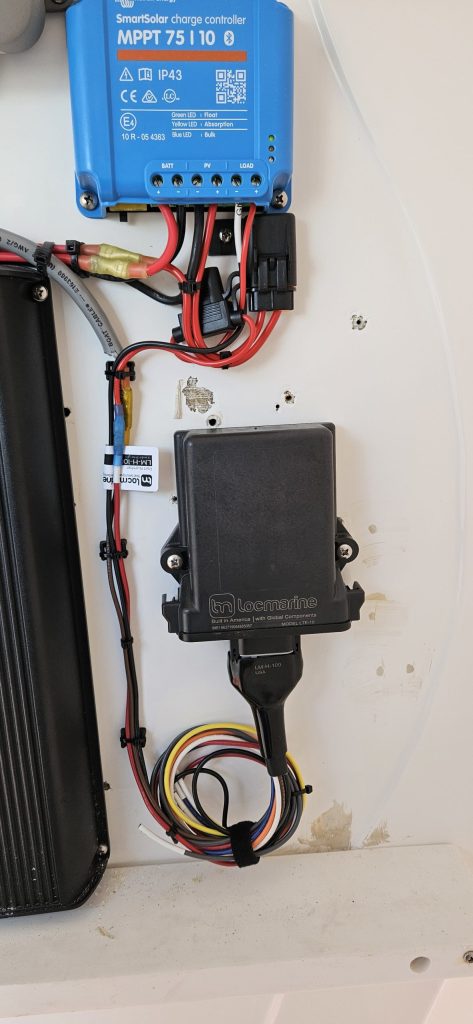
In a communication and electrical automation project, we installed intelligent CZone modules that activate the electrical equipment with precision and ease. Systems like this depend on a sound electrical base, since automation cannot make up for unreliable wiring.
When to Have Your System Reviewed
An electrical review is especially useful at certain moments in the life of a boat:
- After buying a boat: you inherit every decision made by previous owners, and not all of them may be documented.
- Before adding equipment: new electronics, inverters or lighting change the loads on the system.
- Before a long trip: it is much easier to solve a problem at your dock than offshore.
- When symptoms appear: breakers that trip, lights that flicker or batteries that run down quickly all deserve attention.
Our guides on marine batteries and electrical panels explain how those parts of the system work, so you can have a more useful conversation with whoever works on your boat.
Common Questions
Can I do the electrical work myself? Small jobs may be within reach of an experienced owner, but AC power, battery banks and high-current DC circuits can cause fires or injury when they are done incorrectly. For those, we recommend a professional with marine experience.
Is a residential electrician suitable for a boat? Boats have different materials, standards and conditions than houses, so marine experience matters. Ask specifically about work on boats similar to yours.
How can I tell whether my installation is safe? Warning signs include hot or discolored connections, corrosion, repeated breaker trips and unlabeled additions. A visual check helps, but an inspection with proper testing gives a more reliable answer.