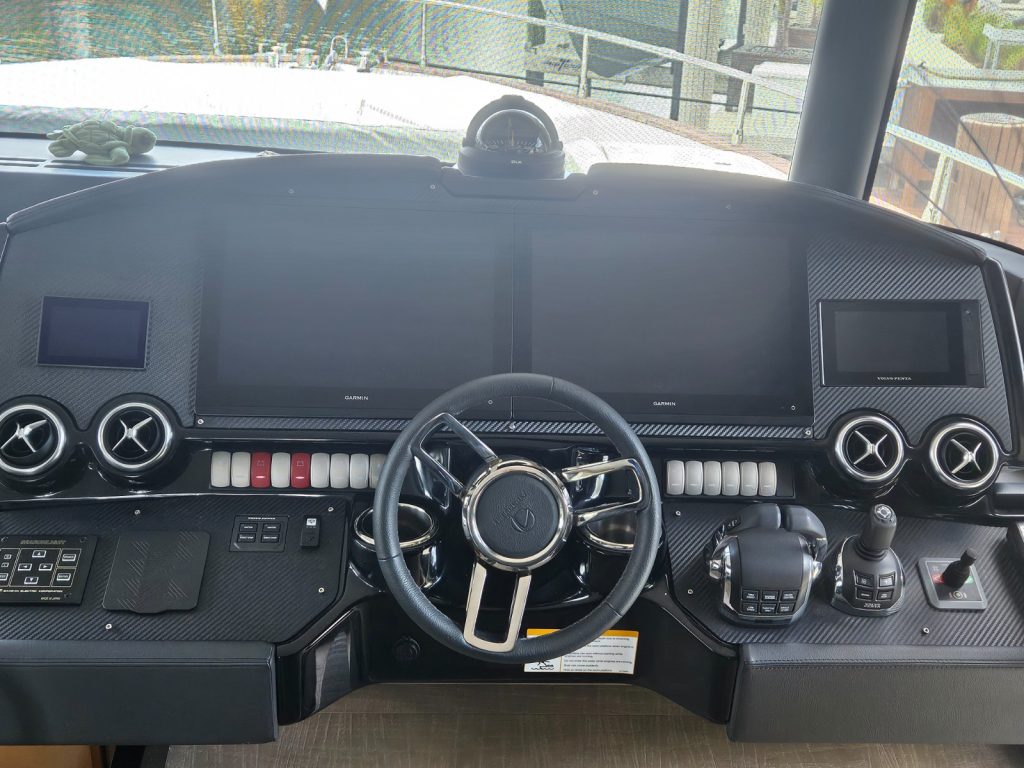
Modern marine electronics transform the boating experience. From GPS and chartplotters to radar and communication systems, properly installed electronics improve navigation, situational awareness, and overall safety. Professional installation ensures accurate calibration, clean integration, and reliable performance in all conditions. A well-planned electronics setup minimizes interference, protects equipment, and allows systems to work seamlessly together. Whether upgrading existing electronics or installing new technology, expert marine electronics installation ensures your vessel is ready for confident, stress-free navigation.
Planning Comes Before Equipment
Good electronics are only part of the result. A chartplotter or radar performs according to where it is mounted, how it is powered and how it connects to everything else on the boat. Before choosing equipment, it helps to answer a few questions: how do you use the boat, where do you navigate, what do you already have that can be kept and what might you want to add later?
Those answers shape the whole system. A cruising owner may value AIS and radar for busy waters and night passages, while a racing sailor needs precise wind, speed and heading data. Our guides to GPS and chartplotters and marine radar can help you compare the options.
What Makes an Installation Work
- Network design: NMEA 2000 lets devices share data over one network, but it needs a properly laid out backbone with terminators at both ends and a suitable power feed.
- Antenna and sensor placement: GPS antennas, radar and VHF antennas all need good positions, and they should not interfere with each other.
- Heading sensors: these should stay away from sources of magnetic interference such as speakers and high-current cables.
- Clean power: electronics are sensitive to voltage drop, so they need correctly sized cables and their own protected circuits.
- Screen location: displays have to be readable from the helm in daylight and within easy reach.
- Calibration: compasses, autopilots and speed sensors must be set up on the boat itself to give accurate data.
Examples From Our Work
On a Raymarine system installation, chart plotting and radar were integrated into the vessel’s existing infrastructure to improve navigational accuracy and efficiency. For a B&G H5000 autopilot, the work centered on integrating the system into the NMEA 2000 network for precise and efficient control of the vessel.
Racing boats show how much the data itself can matter. On a 40-foot racing sailboat, we installed multi-sensor information processors connected through NMEA 2000 and Ethernet, and fed the data to an onboard PC so the crew could process it with other software during regattas.
Installation details can add functions as well. In one communication project, a splitter allowed the same VHF antenna to serve both VHF communication and AIS. In a safety project, engine room cameras were connected so the images could be viewed in real time on the plotter.
Upgrade or Replace?
You do not always need to replace everything at once. Before upgrading, we look at what is already on board and whether it can share data with newer equipment. Older instruments may be able to stay in service through a gateway or adapter, while very old or failing units are often better replaced. Doing the work in stages can also make sense, as long as the network and power supply are planned for the final system from the start.
It also helps to think ahead. New options keep appearing, as our guide to marine electronics trends explains, and a well-planned network makes those additions easier when you are ready for them. If you are unsure where to start, begin with the equipment you rely on most and build outward from there.
Common Questions
Can I mix brands on the same boat? Often yes, because NMEA 2000 is a shared standard. Some features, however, only work within one brand, so it is worth checking compatibility before you buy.
Should I install a radar and an AIS, or just one? They do different jobs. AIS shows information from vessels that transmit it, while radar detects objects and land around you, including targets without AIS. The right choice depends on where and how you use the boat.
Will new electronics work with my current power system? It depends on the loads and the condition of the existing wiring. We review this during the assessment, so that new equipment gets the stable power it needs.